
Short answer: yes. Here’s the honest, no hype breakdown of why and what happens if you skip it.
You’ve got a social media page. Maybe a WhatsApp Business number. Orders are coming in, things feel fine so why bother building a website?
It’s a fair question, and the honest answer isn’t “because everyone has one.” It’s that a website does a handful of specific jobs that social media, marketplaces, and messaging apps simply can’t do as well. Let’s go through them.
What you’ll learn
- Why “I’m Already on Social Media” Isn’t Enough
- 6 Reasons a Website Actually Matters
- What You Risk Without One
- When You Might Genuinely Not Need One Yet
- How to Get Started Without It Being a Huge Project
Why “I’m Already on Social Media” Isn’t Enough
Social platforms are great for reach and conversation. They’re terrible as a permanent home for your business. You don’t own that page. A policy change, a hacked account, or an algorithm update can cut off access to your entire customer base overnight, with no warning and often no way to appeal.
A website is the one place online that’s entirely yours: your domain, your design, your rules, your data.
Social media is where you meet customers. A website is where you keep them.
6 Reasons a Website Actually Matters
1. It builds instant credibility
Fair or not, people judge a business by whether it has a real website. A simple, professional site signals that you’re established and serious; a social page alone often doesn’t clear that bar, especially for bigger purchases.
2. You show up in search
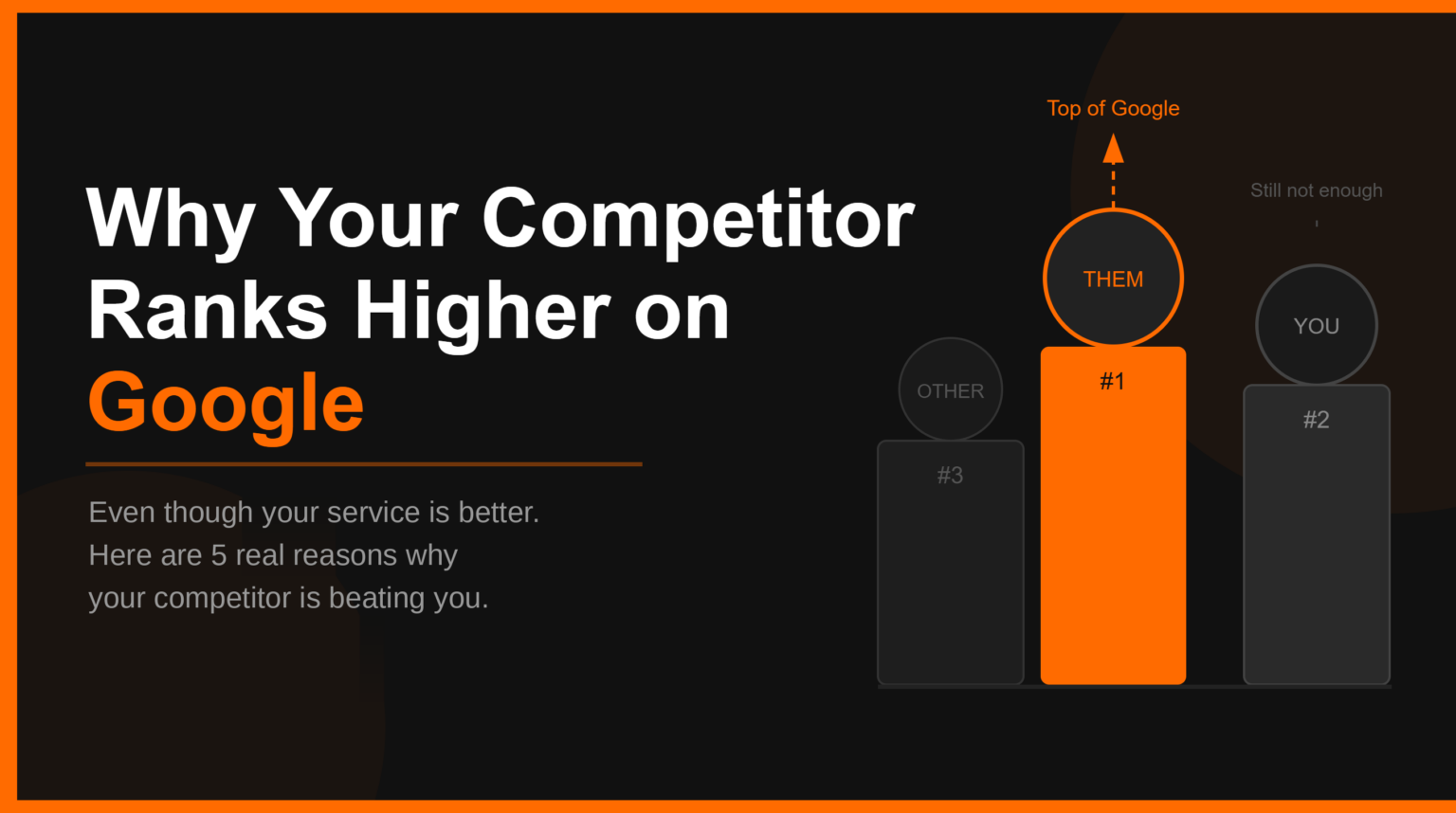
When someone searches “your product near me” or “your service + city,” a website is what lets you show up on Google at all. No website generally means no presence in search which is one of the highest intent places a customer looks.
3. It works while you sleep
A website doesn’t take a day off. It answers questions, shows your catalog, and can even take orders or bookings at 2am on a Sunday, something no single person or social inbox can keep up with.
4. You control the entire experience
On social media or marketplaces, you’re playing by someone else’s rules: their layout, their fees, their algorithm. A website lets you control branding, pricing, checkout flow, and messaging end to end.
5. It’s where paid ads actually convert
Running ads that send people to a social profile usually converts worse than sending them to a dedicated landing page or product page built to close the sale. A website turns ad spend into actual results, not just likes.
6. It’s an asset you can grow
A social following can vanish with a platform change. A website combined with your own email list and SEO rankings is an asset that compounds over time and that you can sell, expand, or hand off, because it’s actually yours.
Without a website | With a website |
Reliant on rented platforms | You own your presence |
Invisible in Google search | Findable by new customers actively looking |
Limited to platform’s checkout/booking tools | Full control over sales flow and branding |
Ads often underperform | Ads convert better with a dedicated landing page |
Business can disappear if account is lost | Business presence stays intact regardless of any one platform |
What you Risk without one
Skipping a website doesn’t usually kill a business overnight, it just quietly caps its growth. Common patterns:
- Losing customers to competitors who show up first in search
- Getting stuck relying entirely on word of mouth or one social platform
- Struggling to run effective paid ads because there’s nowhere good to send traffic
- Looking less trustworthy next to competitors who do have a site
Reality check: A website doesn’t have to be big or expensive to matter. Even a single clean page with your services, contact info, and a few photos does most of the heavy lifting.
When you might Genuinely Not Need One Yet
To be fair, a website isn’t equally urgent for everyone:
- Very early stage testing: If you’re validating an idea with a handful of customers, a simple social page or messaging app might be enough for now.
- Purely local, referral based work: Some service businesses genuinely run on word of mouth alone, at least at a small scale.
- Marketplace only models: If you sell entirely through an established platform and have no plans to grow beyond it, a separate site can wait.
Even in these cases, most businesses eventually hit a ceiling that a website is what breaks through so it’s less a question of “never” and more “not yet.”
How to Get Started Without It Being a Huge Project
The idea of “building a website” sounds bigger than it needs to be. You don’t need a developer or months of planning. A focused first version just needs:
- A clear headline explaining what you sell and who it’s for
- Your products or services, with prices if possible
- A simple way to contact, book, or buy
- A few real photos of your product, your space, or your work
That’s genuinely enough for version one. You can add blog content, more pages, and deeper features as the business grows.
Final Thoughts
A website isn’t a vanity project, it’s the one piece of online real estate a business actually owns, and the place where trust, search visibility, and sales conversion all come together. You don’t need it to be perfect on day one. You just need it to exist.